Today I’m doing a mid-year check-in for you, and for myself. I’m going to share the real classroom strategies that are working in my math classroom. I also have a few that aren’t.
Just for context, I am a middle and high school math teacher. I teach grades 7-12, but I am the 8th grade homeroom teacher. I also have the 8th graders at the end of the day for their study hall class. This is time set aside for them to complete their homework, catch up on missed work, or just study. Okay, let’s dive in. What are the real classroom strategies that are working for me this year — and what just isn’t?
ROUTINES and SYSTEMS that are WORKING
RANDOM REVIEW GAMES
I suppose the word “random” isn’t exactly accurate. I plan out what games I will use, but I think they seem random to my students. What I’ve really been leaning in to here is variety. It’s the spice of life, right? Well, I can tell you it’s currently the spice of my students’ math class. We don’t play long review games every day, but I have been finding different ways to do quick review using things like chalkboard relays, task cards, and whole class scavenger hunts. If you would like more information about how to do a whole class scavenger hunt, check out this post.
I have also been keeping a list of the games we like to play. I have compiled an exhaustive list with a short description of each game. Click here to snag it. I promise it will inspire you!
RELATIONSHIP BUILDING
I have worked harder this year at making sure my students know I care about them – not just their grades, but them as the unique individual they are. I heard someone suggest the idea of keeping a literal list of tallies for each time you meaningfully interact with each student in your classroom. While I have not been successful at a physical paper trail, I have been mentally aware of the need to get to know my students. I have found the best times to do this are during homeroom, in between classes, and during my lunch duty.
Along with relationship building, I have decided to work harder with parents this year too. I’m being more intentional about sharing the good things their kids do and not just the bad. So far, this has been as simple as periodic messages “just to check in”. Many parents haven’t responded, but a few have, and they appreciate it.
HOMEWORK CHECK POLICY
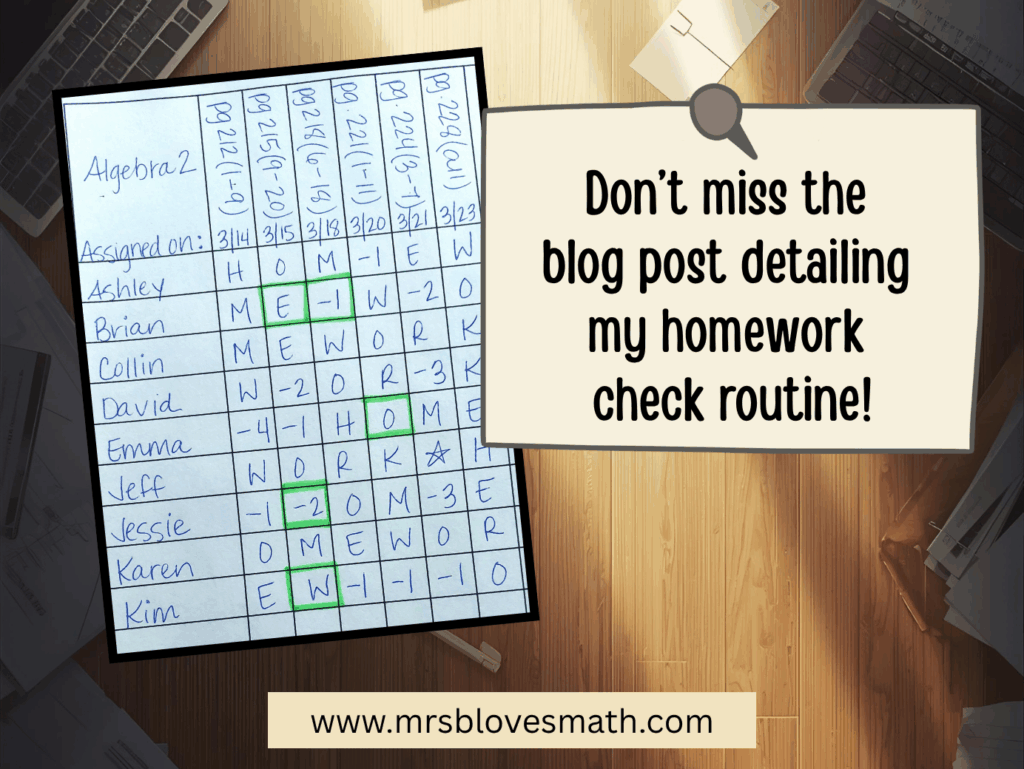
I am not going to go into full detail about this here. You can check out the post that details my homework policy here, but let me tell you, I HAVE FINALLY DONE IT! Checking homework is not stressful for me, and my students are loving the added benefit of a homework pass periodically. 10/10 rating for this one. I will continue this policy moving forward.
ROUTINES and SYSTEMS that AREN’T WORKING
Before we get to these other real classroom strategies, let me say this. I’m not upset about the classroom strategies that aren’t working. There could be several reasons. First, every class is different. They all have different needs. Just because something isn’t working for my class this year, doesn’t mean I won’t try again another year. This is merely a list of a few things I thought I would care about. Turns out I just don’t.
THEMED HOMEROOM DAYS
My plan was to have days like “Meme Monday” and “Thankful Thursday”. Facts are, homeroom is only 10 minutes. After I take attendance, complete lunch orders, and make any announcements for the day, we’re almost done. My time has been well spent interacting with my students and talking to them about random things instead of boxing myself into a predetermined routine. Now, we have enjoyed days like “Word Wednesday”, but I don’t hold myself to it every week.
STRUCTURED STUDY HALL
Over the summer, my team teachers and I were throwing around the idea of turning study hall into a sort of “study habits” class. I’m so glad we didn’t! I have so enjoyed having a class at the end of the day to reset my classroom. I have also used the time to help struggling students.
DETAILED ABSENCE SYSTEM
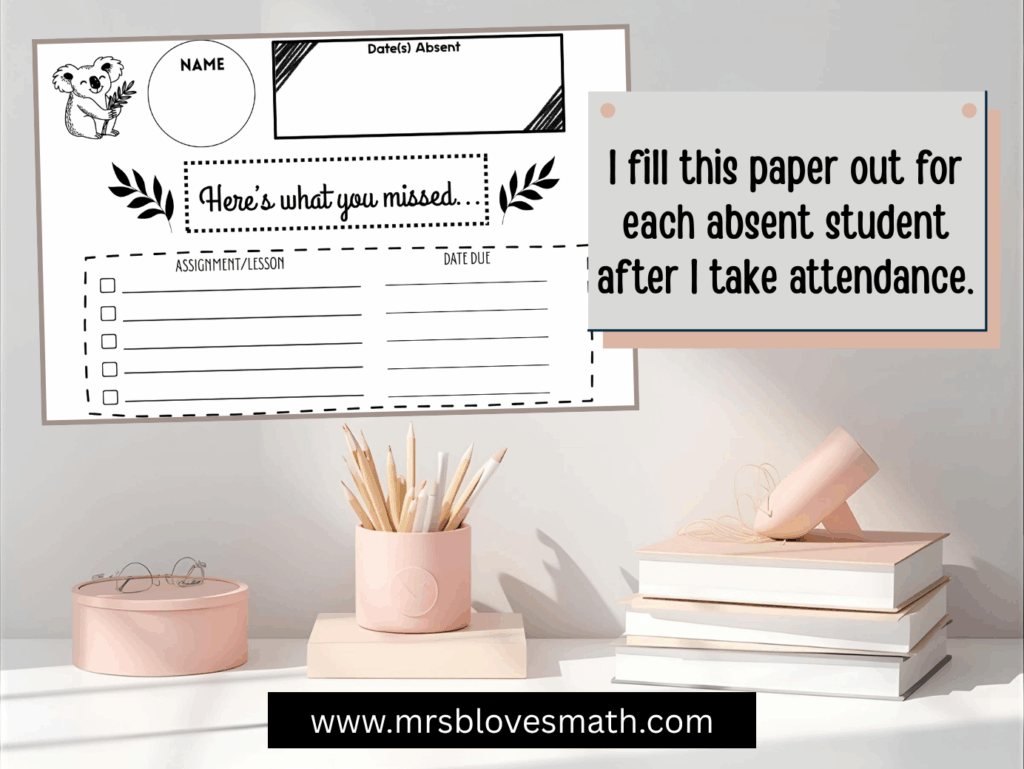
During the summer, I was brainstorming ways to streamline my absence system. I thought of things like designating an area for late work reminders, a folder for students to check on missed assignments. In the end, I decided on a half sheet of paper that details their missed assignments. I fill it out at the beginning of class for each absent student, give it to them when they return, and that’s it. They turn in the work and get credit, or they don’t. Easy peasy. Any missed quizzes or tests go into a folder in my desk to be made up at a later date.
CHORE TEAMS
I started this year out by grouping my students together into teams with the idea that each team would be responsible for a day of classroom chores. I was keeping track of which team performed their chore the best that week and announcing the winner the following week. Their prize was a day off from chores that week. It was actually working well – until life set in and students began missing study hall for other duties, half the team was out sick, or the classroom just wasn’t messy enough to do the chore yet.
This led me to decide that it’s better when we all just work together. Instead of pulling the vacuum out each day, we all just pick up the pieces of trash around our desks and throw them away. I choose a few students to go together and take the trash out. We refill the tissues as needed. It’s one less thing to think about.
Again, I’m not upset about the these not working. I think what I’ve decided in comparing these two lists is that some routines and systems are just working better than others. It doesn’t mean I won’t change things up and do something different another year. But for this year, here it is! What routines and systems are working (or not working) in your classroom this year? I’d love to know. Happy teaching to you!